Episode 135| Your Brain Isn't Broken with Dr. Steve Rondeau
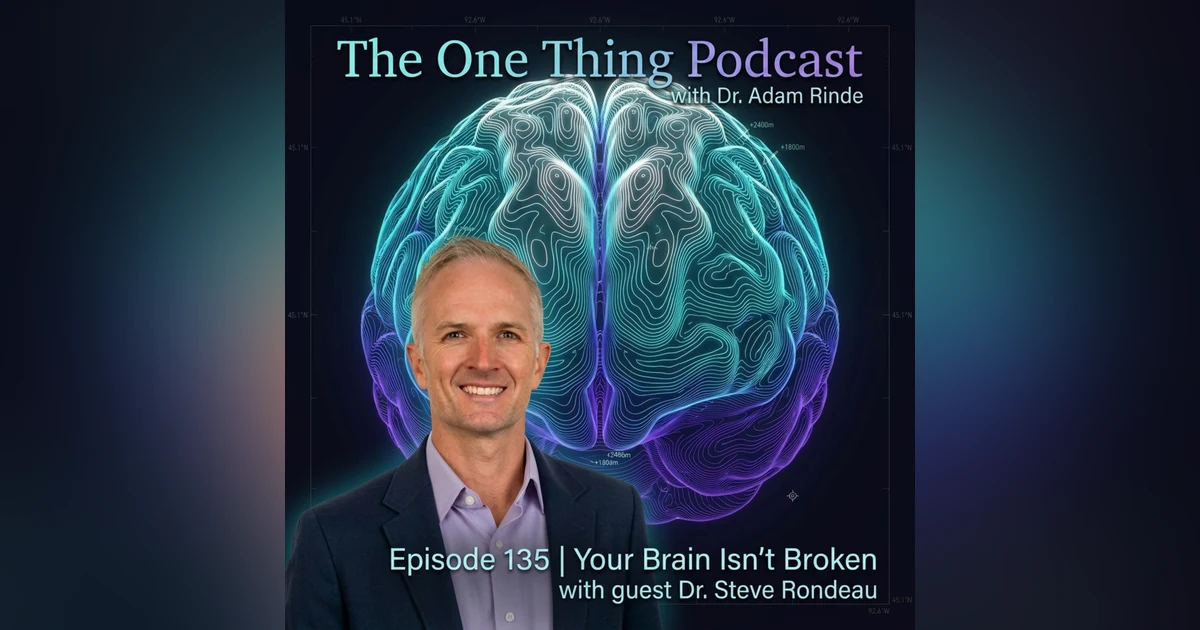
What if the thing your doctor is calling a disorder is actually a brain that's working fine — just in the wrong environment?
Dr. Steve Rondeau has analyzed more than 50,000 brain scans, and his work is starting to change how a lot of clinicians, including me, think about psychiatric diagnosis.
If you've spent years collecting diagnoses, swapping medications, and wondering whether the next label will finally be the right one — this conversation is for you.


If you've spent years collecting diagnoses, swapping medications, and wondering whether the next label will finally be the right one — this conversation is for you.
My guest is Dr. Steve Rondeau, founder of Axon EEG Solutions and author of the forthcoming book Think Like a Brain. He's spent the last fifteen years asking a different question than most psychiatry asks. Not what's wrong with this person, but what pattern is showing up here, and what environment would actually fit it.
We talk about why the diagnosis-chasing loop keeps so many people stuck, the heterogeneity hiding inside labels like depression and ADHD, what he calls the Husky Phenomenon (his analogy for why your brain probably isn't broken, just mismatched to its environment), and the cases that taught him to look at the data before he looked at the diagnosis.
This isn't a conversation about replacing your doctor with a brain scan. It's about what becomes possible when objective data and a person's lived experience finally start talking to each other — and what that means for anyone who's been told their symptoms are in their head, or that they just haven't found the right medication yet.
About Dr. Rondeau
Dr. Steve Rondeau is the founder of Axon EEG Solutions and the author of Think Like a Brain. An award-winning naturopathic physician, he began his career in developmental pediatrics looking for objective biomarkers in autism — the experience that shaped his core conviction that mental health deserves the same kind of measurable data the rest of medicine takes for granted. Over fifteen years and more than 50,000 qEEG brain scans later, he's best known for what he calls the Husky Phenomenon: the idea that many of the brain patterns we label as disorders aren't broken at all, just mismatched to the environments they're being asked to function in.
Connect with Dr. Rondeau
Website: axoneegsolutions.comBook: Think Like a Brain thinklikeabrain.com
LinkedIn: Dr. Steven RondeauEmail: info@axoneegsolutions.com
Thank you for tuning in to The One Thing Podcast with Dr. Adam Rinde ! If you enjoyed this episode, don't forget to subscribe for more insightful discussions. Feel free to leave us a review and share your thoughts. Stay connected by subscribing to this page for updates and behind-the-scenes content. Until next time, keep healthy and stay empowered.
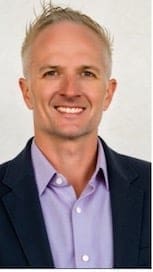
Physician|Researcher|Author
Dr. Steve Rondeau is the Founder of Axon EEG Solutions, helping patients and providers escape psychiatry's "guessing game." An award-winning doctor who has analyzed over 50,000 brain scans, he uses objective biological data to stop the dangerous cycle of medication trial-and-error.
Dr. Rondeau's journey began in developmental pediatrics, searching for objective markers in autism. The turning point came inside a rehab center, where he scanned a patient labeled "treatment-resistant" for anxiety. The brain data revealed she didn't have anxiety at all: she had ADHD. Once treated correctly, her "incurable" panic attacks disappeared.
After seeing this pattern repeatedly, Dr. Rondeau concluded modern psychiatry practices with an outdated map. Without objective data, care relies on guesswork, often pathologizing context-dependent strengths. Using brain-based data, he reframes symptoms as signals, matching individuals to environments where their brains thrive - captured in his Husky Phenomenon: many aren't broken, just mismatched.
Speaking Topics
Don’t Treat a Husky Like a Housepet: Stop Fixing Your Brain, Fix Environment
Russian Roulette with Mental Health: Why Psychiatry Must Test the Brain
Never Assume It's ADHD: Distracted Mind vs. Overwhelmed Mind
Predicting the Unpredictable: Spotting Suicide Risk Before a Word is Spoken
Never View Your Diagnosis as a Deficit: Finding the "Gift" in Your Brain Waves
The "Sophie" Story: How I Ended the Diagnostic Guessing Game… Read More


